Minimalist Aesthetic Reflex Challenge: Stick Run — A Pure Skill Test of Endless Jumps
Relentless Running, Crossing Gaps, Dodging Obstacles; Every Jump is a Dance with Gravity
Experience extreme speed and perfect timing in minimalist lines, challenging your limits. Only the most focused hand-eye coordination can keep the stick figure safely landing and moving forward. Stick Run is a minimalist endless runner that tests players' reflexes and skills. Every jump is full of challenge, and every failure brings the pursuit of progress and improvement.
Core Loop
Start Running → Jump/Dodge → Fail → Try Again
This core loop is simple yet addictive; every failure motivates the player to try again, pushing the boundaries of distance and rhythm. The essence of the game lies in its "endless loop" and "constant retry" nature, where the longer you play, the better you become at mastering precise jump timing and rhythm control until you exceed your own limits.
Art Style
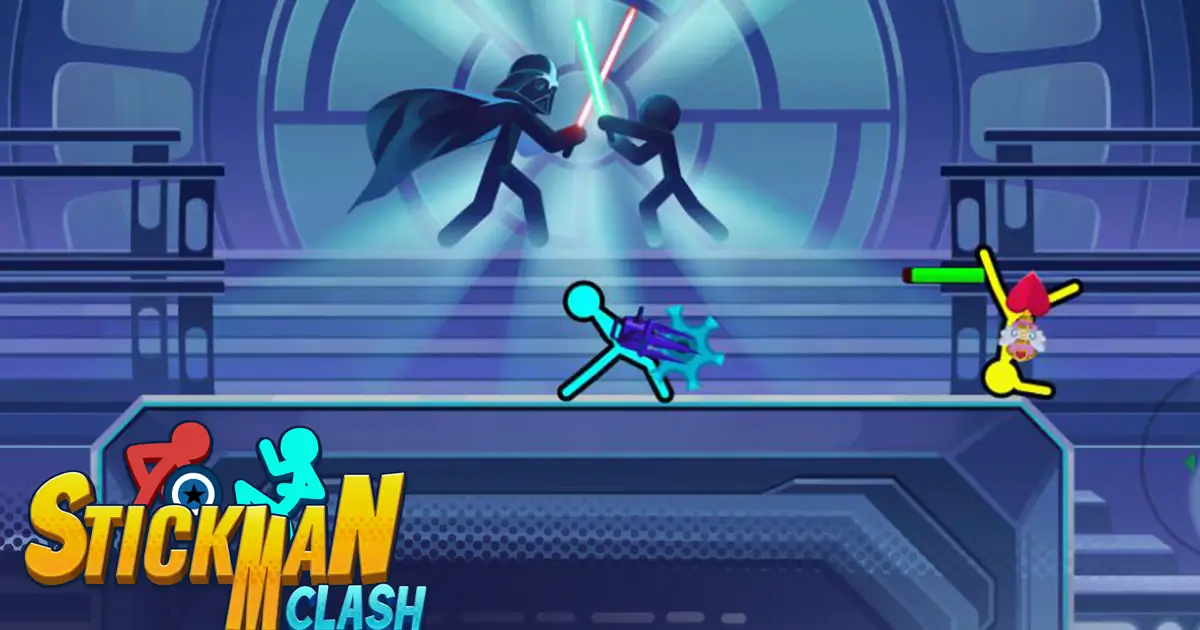
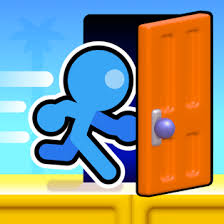
The digital stick figure's minimalist aesthetic emphasizes "purity and focus on skill," eliminating unnecessary elements and focusing on the rhythm of the movements and the timing of reactions. Every jump requires precise calculation, and the player's concentration and hand-eye coordination are key to success or failure.
Core Selling Points
Core Mechanism USP
Selling Point: A minimalist endless runner combining high-precision jumps and the art of timing, challenging every jump's boundary. The game tests players' reaction speed, trajectory prediction, and rhythm control. Every successful jump not only demonstrates skill but also deepens the player's understanding and mastery of the game mechanics.
Difficulty and Challenge
Selling Point: The difficulty curve continually rises, with the speed, density, and complexity of obstacles increasing as the distance grows. As the distance increases, players' reaction speed and decision-making ability are tested more severely. Each new stretch introduces new challenges, bringing greater intensity and excitement.
Description: Difficulty progression is reflected not only in the increase in obstacles but also in the rising demands for players' reflexes and sense of rhythm. Players will face increasingly complex obstacle combinations, where early prediction and rhythm adjustment are key to success.
Modes and Goals
Existing and Potential Modes: The core mode is endless running, complemented by daily challenges and distance challenges to maintain long-term playability and goal-driven motivation. Each mode has clear achievement conditions and reward systems, encouraging players to improve and unlock new content through repeated attempts.
Description: Each challenge provides a different goal and reward mechanism, motivating players to keep progressing, ensuring the game's long-term appeal.
Unlocking/Reward System
Selling Point: A reward system for perfect runs (currency, outfits, backgrounds, etc.) enhances the sense of accomplishment and customization fun. Every successful perfect jump unlocks new rewards, including stick figure outfits and running backgrounds, allowing players to customize their character based on their style.
Description: Perfect runs not only reward in-game currency but also unlock new visual and mechanical elements, increasing the depth and fun of the game.
In-Depth Strategy Questions
Reflex Training
Recognizing and Responding to Common Obstacle Combinations: Some obstacle combinations can become the "killer" for players' reflex speed and jump timing. For example, rapidly appearing gaps or increasing obstacle density require greater precision and faster reaction times. Through repeated practice, players can predict obstacles in advance and avoid them by controlling the rhythm.
Key Tips: Breaking down the action timing is critical. Understanding the use of short jumps and long jumps, and how to switch rhythms, is key to improving success rates.
Perfect Jumping
Distinction Between Micro-Jumps and Full-Jumps: Depending on the width and height of obstacles, players need to choose between micro-jumps and full-jumps. Micro-jumps are suitable for minor obstacles, while full-jumps are needed for larger gaps or height differences.
Practical Tips: Increasing jump tolerance is critical. Through continuous practice of different jump distances and timings, players can quickly react to the actual game situation.
Focus Management
Vision Management Tips: It is recommended that players focus on the edges of obstacles ahead, rather than the stick figure itself. This helps anticipate obstacle changes in advance and reduces errors caused by sudden changes.
Reflex Speed Improvement Methods: Rhythm, breathing control, and visual resting points are effective ways to improve reflex speed. By controlling rhythm and breathing, players can reduce errors caused by nervousness.
Maximizing Distance
Long-Distance Strategy: For longer runs, players should maintain stable breathing and rhythm. Relaxing and adjusting appropriately, avoiding excessive tension that leads to mistakes, can help maintain a longer distance.